

About this event
The Technomoral Conversations series brings together leaders, creators and innovators from academia, technology, business and the third sector in a ‘fireside chat’ format to discuss futures that are worth wanting.
Join us for the latest event in our Technomoral Conversations series: AI and its Implications for Fundamental Rights.
During this fireside chat, we will discuss AI’s rapidly expanding impact on fundamental rights such as freedom of speech, labour rights, privacy and freedom of movement, and how AI is reshaping the wider political climate.
Chaired by the Centre for Technomoral Futures' Chancellor's Fellow in Responsible Machine Learning and AI in Dr Zeerak Talat, this Technomoral Conversation will feature Javier Ruiz Diaz (Technology and Human Rights Lead at Amnesty International UK), tèmítópé lasade-anderson (Executive Director at Glitch), and Haylea Campbell (Senior Associate in the Pro Bono Practice at Hogan Lovells Cadwalader). The event will include time for audience questions.
This event is a collaboration between the Centre for Technomoral Futures and the Edinburgh Futures Institute.
Please note this is a hybrid event.
This event will be live-captioned. If you would like to attend with BSL interpreters, please let us know by contacting the event organisers at ctmf@ed.ac.uk
Important notice: This event will be photographed/recorded, and images may be used for future marketing, promotional or archive purposes. If you would prefer not to be photographed, please let organisers know at the event.
Speaker biographies:
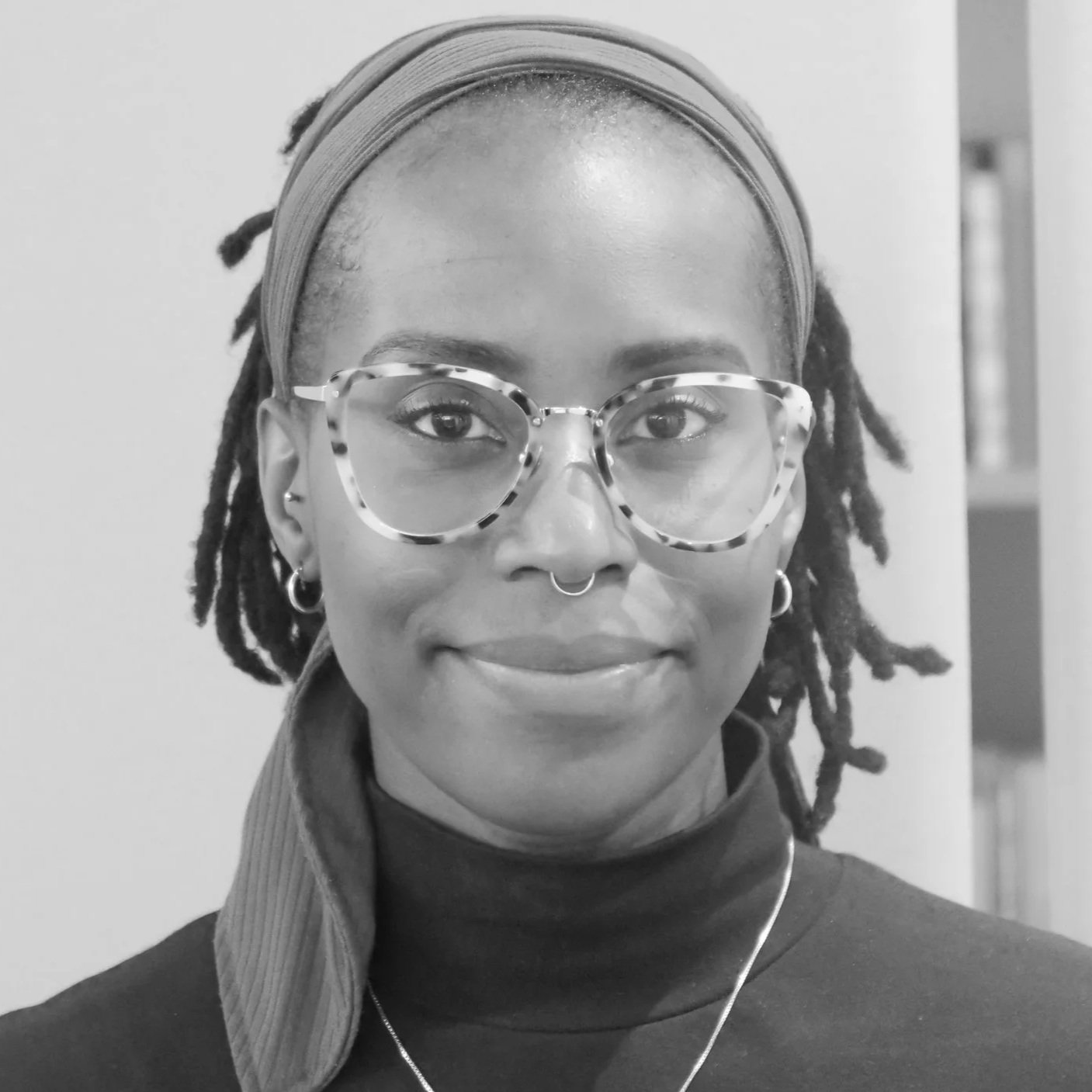
tèmítópé lasade-anderson (she/her) is a Nigerian-British-Canadian writer and researcher. She is the Executive Director at Glitch, and is completing her PhD on Black women’s digital intimacy in the Department of Culture, Media and Creative Industries at King’s College London. tèmítópé’s research interests are digital intimacies; Blackness, racialisation and gender on social media; diaspora; relationality; Black feminisms; and platform governance. She is currently a 2025 affiliate at DISCO Network's Black Communication & Technology Lab, and was a Fellow at the Centre of Advanced Internet Studies in 2024. In 2023, tèmítópé was the inaugural research curator-in-residence at the Foundation of Art and Creative Technology, working on Black Futures. tèmítópé’s work has been published in academic journals (Feminist Media Studies; Television and New Media, and Journal of Global Black Thought) and independent media (DADDY Magazine; The Canary).
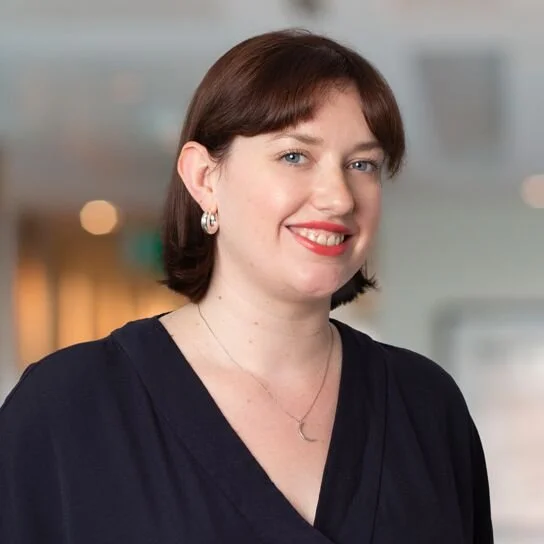
Haylea Campbell is a Senior Associate in the Pro Bono Practice at Hogan Lovells Cadwalader, where she leads matters relating to international human rights law and its application in novel situations. She has experience developing cases before the European Court of Human Rights, International Criminal Court and UN Procedures relating to war crimes, digital rights, disability rights and LGBTQ rights. She has also developed work and written on generative AI and free and fair elections, internet shutdowns and the financing of reparations. Haylea is a member of the Law Society's Working Group on the European Convention on Human Rights, and has been listed as a ‘Key Lawyer’ in the Legal 500.

Dr Zeerak Talat (Chair) joined the Centre in November 2024. They are a Chancellor’s Fellow in Responsible Machine Learning and Artificial Intelligence (AI). Their research centres on if, and how, machine learning and AI technologies can be used towards fair and equitable futures to answer how machine learning and AI should look, if we must live with them in our societies.